Essential Things You Must Know on Teeth Crown
How to Steer Clear of Root Canal – Non-Invasive and Preventive Dental Care Tips
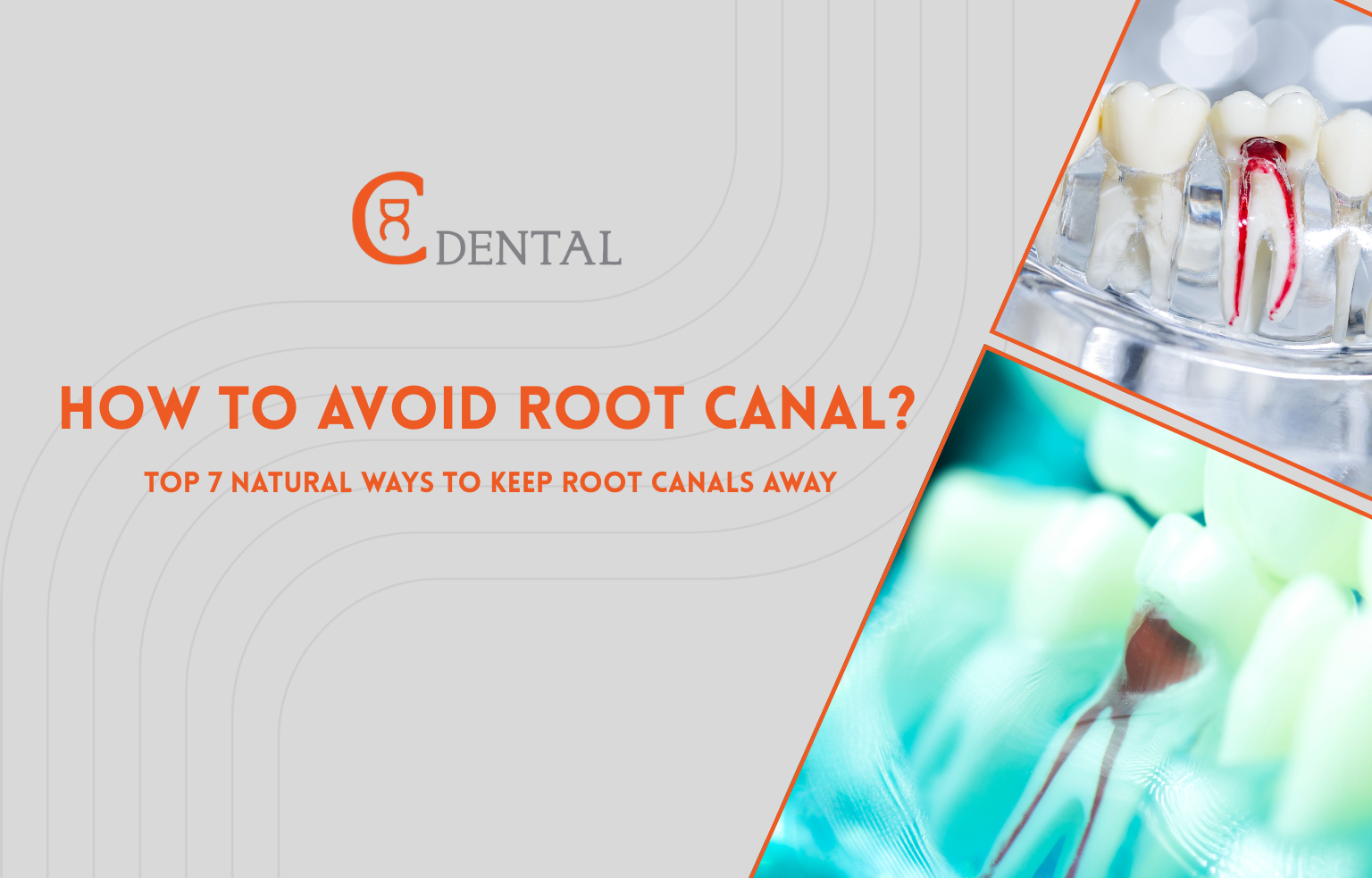
A RCT procedure becomes necessary when dental infection severely affects the inner pulp of the tooth. While an RCT can effectively save a damaged tooth, it is always better to prevent one. By understanding and applying proper oral hygiene habits, you can significantly lower the likelihood of requiring a root canal.
Consistent preventive dentistry, along with periodic visits to a root canal dentist near me or an experienced root canal dentist in Sharjah, ensures long-term dental health. By adopting simple yet effective daily routines, you can keep your natural teeth healthy and eliminate the need for complex dental procedures.
When and Why Root Canal Becomes Essential
A root canal becomes necessary when harmful microbes penetrate the pulp chamber due to deep decay or gum disease. The infection can result in persistent pain, swelling, and sensitivity, and if left untreated, it may cause an abscess. The purpose of an endodontic therapy is to clean out infected tissue, disinfect the root canal, and protect the tooth with a teeth crown for durability.
The encouraging part is that with consistent care, you can address dental issues before they escalate to this level.
Natural Preventive Dental Tips
Many people look for home remedies for preventing root canals to maintain strong teeth and healthy gums. Here are some effective strategies:
1. Follow a Nutrient-Rich Diet:
A diet rich in calcium, phosphorus, and vitamin D helps strengthen enamel and prevent demineralisation. Include milk and cheese, spinach and kale, eggs, and fish for naturally stronger teeth.
2. Reduce Sugar Intake:
Reducing sugary foods curbs bacterial growth and acid production in the mouth. This helps reduce decay that may progress toward the pulp.
3. Use Fluoride Wisely:
Regular fluoride use strengthens enamel and makes teeth more decay-resistant. Avoid overuse to maintain natural enamel balance.
4. Oil Pulling for Oral Detox:
Oil pulling with coconut oil helps eliminate oral bacteria and promotes gum health. Swish oil in your mouth for a few minutes daily to reduce infection risks.
5. Hydrate and Maintain Saliva Flow:
Saliva washes away bacteria naturally. Stay hydrated to support saliva production and maintain oral cleanliness.
6. Chew on Raw Vegetables:
Crunchy foods such as celery stimulate saliva and naturally clean plaque. They also deliver essential nutrients that reinforce Teeth Crown teeth.
Preventive Dental Practices to Avoid Root Canal
While natural remedies strengthen overall oral health, routine dental care remains vital. Visiting a local dentist regularly helps detect potential issues early.
Key preventive practices include:
• Regular Dental Check-ups: Schedule appointments every six months to catch Root Canal? Dentist near me early signs of decay.
• Professional Cleaning: Scaling and polishing remove plaque and tartar that lead to cavities.
• Dental Sealants: Sealants act as barriers against bacteria for those prone to cavities.
• Immediate Treatment for Cavities: Early fillings stop decay before it reaches the pulp.
• Mouthguards for Teeth Grinding: Wearing a guard prevents enamel wear and pulp exposure.
When Root Canal Treatment Becomes Unavoidable
In some cases, despite best efforts, infection or trauma makes endodontic therapy essential. Warning signs include:
• Persistent toothache, especially during chewing or pressure
• Sensitivity to hot or cold that lingers
• Gum swelling or tenderness
• Tooth darkening or discolouration
• Abscess or pus near the tooth
If you notice these, consult a qualified endodontist immediately. Early intervention saves the natural tooth and prevents complications.
Post-RCT Care and the Role of Teeth Crowns
After successful treatment, the tooth often needs a ceramic crown for reinforcement. The crown protects against breakage and restores normal function. With proper care, an RCT-treated tooth can last for years.
Post-care essentials include:
• Continue daily brushing and flossing
• Avoid biting hard substances with the treated tooth
• Maintain periodic dental visits for review
Long-Term Oral Care Strategy
The best way to avoid a root canal is through daily dental care. Regular brushing, flossing, balanced nutrition, and dental visits all contribute to lasting oral wellness.
Combining home care routines with professional attention significantly reduces decay and infection risks, keeping your teeth strong for life.
Final Thoughts
Avoiding a root canal is achievable through proactive oral hygiene, routine dentist visits, and natural methods. Whether it’s regular dental cleaning, every small step helps preserve your natural smile. Seek guidance from a root canal dentist near me for expert support in maintaining long-term oral health.